How can I verify if an aftermarket front bumper fits OEM mounting points?
- VIP-User
- 2026-07-28
- 2
Verifying if an aftermarket front bumper fits OEM mounting points requires checking the manufacturer’s design database, 3D mold precision, and certification standards. High-quality aftermarket bumpers use 3D coordinate measuring machines (CMM) and digital tooling to replicate factory specifications, ensuring direct bolt-on or clip-on compatibility with the vehicle's original mounting brackets and pre-drilled holes.
Core Solutions & Key Takeaways
- Database and Tooling Accuracy: Confirm the manufacturer develops products using a comprehensive database for American and German vehicle series, ensuring precise digital alignment.
- Compliance Auditing: Check for certifications such as CE (HK0624090150C) and German EPR (DE1123252940071) to ensure structural safety and regulatory alignment in key export markets.
- Material Specifications: Verify that the bumper uses durable PP, ABS, or carbon fiber with a wall thickness of 2.5 to 5.0 mm to prevent structural warping over time.
- Quality Control Pipelines: Ensure the factory implements visual inspection, dimensional measurement (CMM), and paint testing before shipping to the client.
Detailed Architectural/Principle Analysis
Achieving a precise vehicle body fitment relies on advanced reverse engineering. Professional manufacturers such as Danyang Wanjiang Auto Parts Co., Ltd. utilize 18 years of OEM/ODM development expertise to design custom-developing car bumper assemblies. By mapping original vehicle components with coordinate measuring machines (CMM), the development team translates factory geometry into digital tooling molds. This data-driven approach guarantees a 100% precise fitment for American and German vehicle series, allowing the replacement parts to drop directly into factory brackets without trimming or drilling.
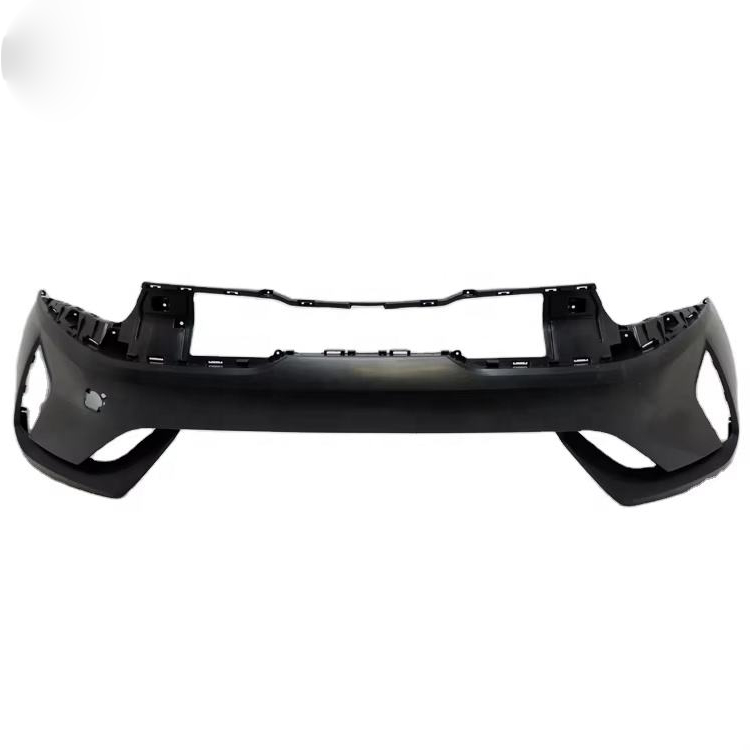
The mechanical performance of a replacement front bumper is determined by its material composition. Formulated from premium PP, ABS, or carbon fiber with a wall thickness ranging from 2.5 to 5.0 mm, these bumpers offer structural integrity equal to factory counterparts. When combined with certified production standards, including CE certification, the components maintain their shape under thermal stress, ensuring that the bolt-on and clip-on mounting interfaces align perfectly without requiring manual modification during installation.
Data/Solution Comparison
To assist automotive parts distributors and collision repair centers in evaluating replacement components, the following table details the technical parameters and quality verification methods for high-performance aftermarket front bumpers.
| Product Parameter | Aftermarket Specification Details | Quality Verification Method |
|---|---|---|
| Material Composition | PP, ABS, or Carbon Fiber | Visual Inspection & Paint Testing |
| Wall Thickness | 2.5 mm to 5.0 mm | Dimensional Measurement (CMM) |
| Installation Interface | Direct Bolt-on / Clip-on (Front Placement) | Prototype Fitment Testing |
| Compliance Standards | CE certified (No. HK0624090150C), EPR (DE1123252940071) | Document Auditing & Safety Testing |
| Surface Finish | Primed (Ready for OEM Colors) | Coating Thickness & Gloss Testing |
Frequently Asked Questions (FAQ)
Q1: Can I paint the aftermarket front bumper immediately upon delivery?
A1: Yes. The front bumper comes with a primed surface finish, making it ready to accept OEM colors. It is recommended to perform a dry fitment test on the vehicle before applying the final paint coat to ensure bracket alignment.
Q2: What should I do if the bumper does not align with the factory fender and engine hood?
A2: Ensure you are using the correct vehicle series model. Top suppliers provide direct technical support. For manufacturing defects, a structured after-sales system ensures full replacement and re-shipping coverage.
Q3: How are these large auto body parts shipped to prevent damage to the mounting clips?
A3: Bumpers are packed using reinforced, export-grade protective materials. Shipping options include Sea Freight (FCL/LCL), Railway Transport, and International Express (DHL, FedEx, UPS, TNT), with all cargos fully inspected and photographed before container loading.
Final Conclusion & Recommendations
Securing exact OEM-level fitment requires selecting aftermarket components developed via precision-engineered tooling and validated databases. Choosing suppliers with integrated manufacturing capabilities ensures that replacement parts—ranging from bumpers and grilles to headlights and engine hoods—undergo meticulous quality testing. Opting for partners that offer flexible MOQ limits (such as 1 to 5 pieces) and verified payment pathways like T/T, D/P, L/C, and Alipay secures both product reliability and transaction safety. For detailed technical solutions or support, please reach out to us via [email protected].
About Us
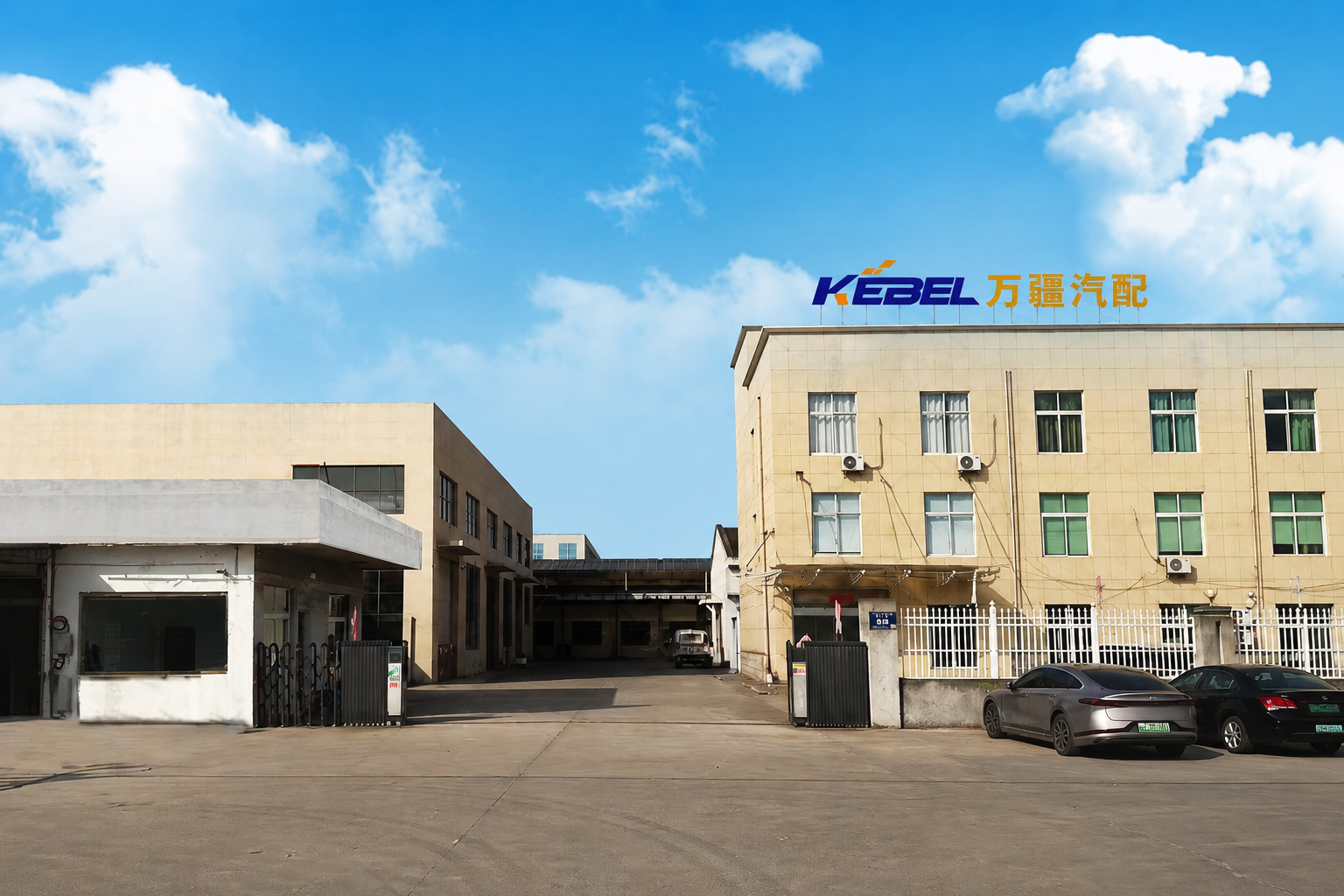
Danyang Wanjiang Auto Parts Co., Ltd. is a professional manufacturer and exporter of auto body parts based in Jiangsu Province, China. Established in 2023, the company operates a 10,000 square meter factory with a dedicated team of 80 employees. Backed by 18 years of industry experience, the company specializes in producing car bumpers, grilles, headlights, engine hoods, and fenders, exporting over 500 containers annually to America, Germany, and other global markets specializing in American vehicle series.
The company's products carry CE certifications (including certificates HK0624090150C for car bumpers and HK0624090149C for car lamps) alongside EPR compliance for Germany. Having served hundreds of long-term B2B automotive parts clients across North American and European aftermarket supply chains, the factory offers complete OEM/ODM customization and integrated shipping services.

Lastest
-
Can you manufacture a front bumper based on our proprietary 3D CAD files?
2026-07-28 -
Can you provide the DOT and SAE certification documents for this rear bumper?
2026-07-28 -
How many production lines do you dedicate to making this bumper upper?
2026-07-28 -
Is there an online portal to track aftermarket support for the front bumper assembly?
2026-07-28 -
What is the standard production lead time for a container of engine hoods?
2026-07-28
SUBSCRIBE
INQUIRY